A Very Small Cultural Universe
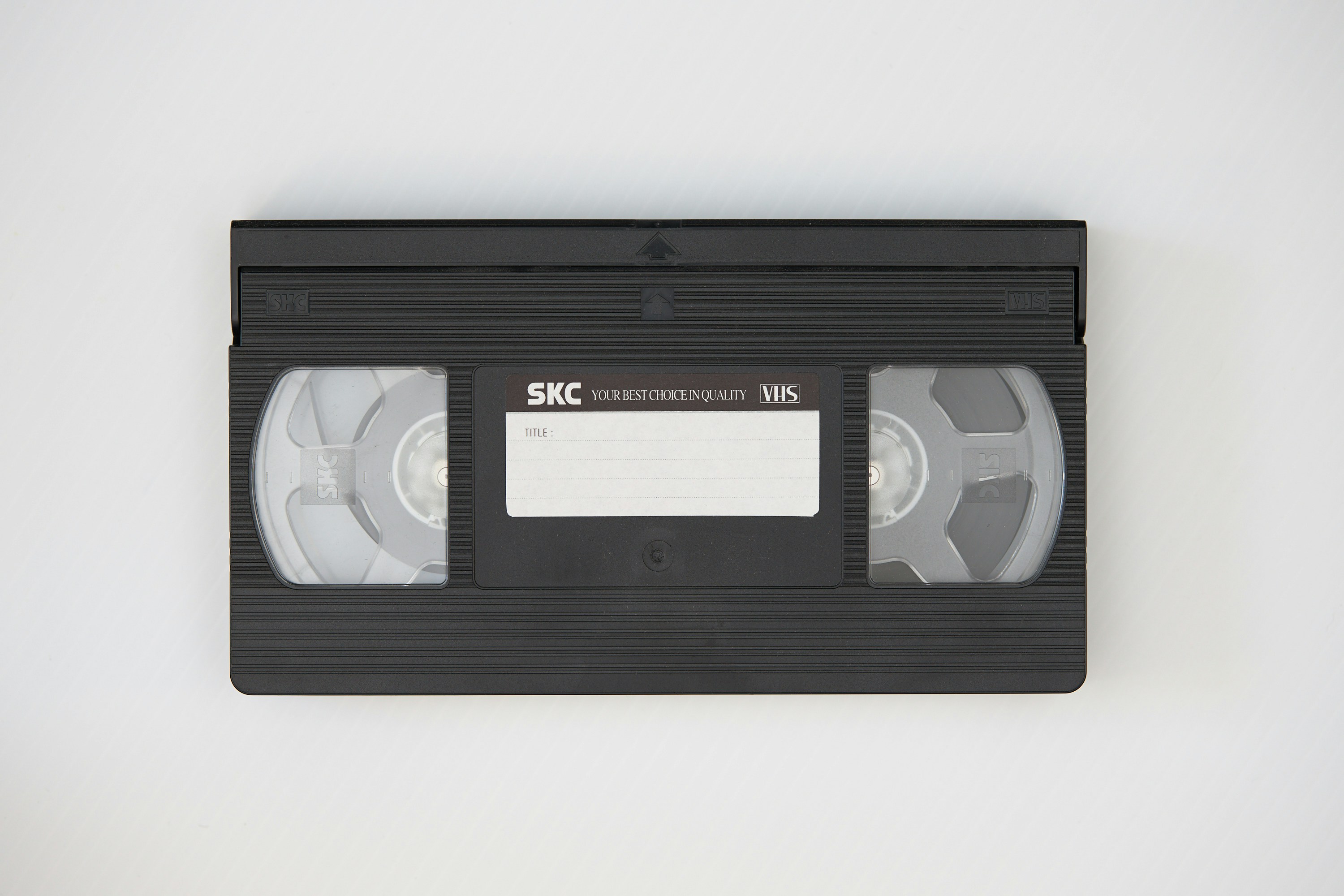
I had a VHS tape of Grim Tales when I was a kid. Narrated by Rik Mayall.
Most families only had about twenty-five random tapes. That was your entire cultural universe. No algorithm shaping your taste. No infinite scroll. Just a strangely specific bundle of whatever happened to be recorded, gifted, or borrowed - which is probably why Rumpelstiltskin lodged itself so firmly in my head.
Not the neat children’s version. The unsettling one. A frightened girl keeps making deals she doesn’t fully understand. A strange little man keeps solving impossible problems at a price. And when she finally learns his name - he tears himself in two in a boiling rage. It’s a horrible image. It’s also an incredibly accurate growth story.
The Structure of a Clever Solution
The structure is brutally simple. An impossible expectation appears. A workaround saves the day. The workaround gets used again. The price quietly escalates.
If you’ve ever built anything - a company, a team, a product, even a career - you’ve met Rumpelstiltskin. He’s the heroic workaround. The clever structural hack. The thing that gets you through the night when failure isn’t an option.
At first the cost feels symbolic. A bit of sleep. A bit of margin. A compromise you can tidy up later. Then the stakes change. What you trade starts to involve the future.
A System That Only Works for a While
Early in my career I wrote some code for a major financial institution. My job was to generate a unique identifier for every accounting journal - not just a sequence, but a complicated number encoding timing logic and classification detail.
I was proud of it. It also ran painfully slowly. Worse, because of the way I’d designed it, the system would only reliably work until about 2012. At the time this felt like a distant, theoretical concern. We had a deadline. The thing worked. The business moved on and I left the job in a nick of time.
This is how most structural bargains are made. Not recklessly. Not maliciously. Intelligently. Under pressure. With incomplete visibility of what success will eventually require.
The Dual Nature of Progress
Rumpelstiltskin is not just a villain. He is dual by nature. He creates value where none seems possible. Without him the girl dies. With him she becomes queen. He is both rescuer and threat, transformation and dependency, breakthrough and hidden liability.
For two nights the price is manageable - tokens of progress. On the third night it becomes existential. A promise about the future that does not yet feel real enough to refuse.
Naming the Pattern
Everything changes when the queen learns his true name. In folklore, knowing the true name of a supernatural force gives you power over it. In organisational life, naming a pattern gives you agency.
You stop experiencing consequences as random or personal and start seeing the mechanism underneath. You realise the problem is not effort or talent or commitment - it is the structure of the bargain itself. At that moment something new becomes possible. The old spell weakens. A future that was quietly mortgaged begins to reopen.
One detail people often forget: the queen does not discover the name herself. A messenger overhears it in the woods, at the edge of the kingdom, in a place where ordinary rules don’t quite apply. That role matters. In every organisation there are moments when progress doesn’t come from more effort or sharper tactics, but from someone noticing the pattern everyone else is too embedded in to see.
Often attributed to Thomas Sowell is the observation that many of today’s problems are the result of yesterday’s solutions. Rumpelstiltskin is simply what that looks like when told as a story.